by Specialdocs Consultants | Dec 15, 2021 | Nutrition, Patient News, Wellness
Eating Your Fruits and Veggies May Help Reduce the Risk of Chronic Disease
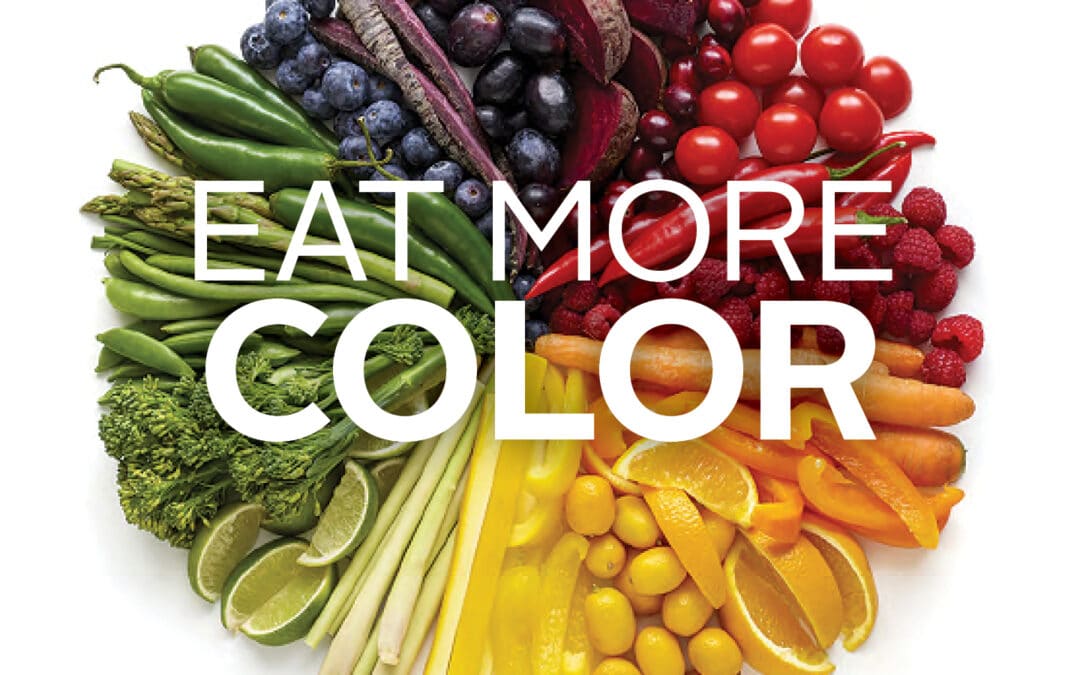
Fill your plate with a vibrant, colorful array of fruits and vegetables for a naturally delicious way to meet your daily requirement of vitamins, minerals and nutrients. Plant foods contain thousands of natural compounds called phytonutrients, which may have anti-inflammatory benefits that can help reduce the risk of chronic diseases. Every color has a contribution to make – aim for a few different ones each day, and enjoy the entire spectrum.
Red and pink:
These fruits and vegetables are an abundant source of the carotenoid lycopene, which may help balance free radical activity in the body, offering protection against prostate cancer and heart and lung disease. Additional picks: red onions, persimmons and raspberries.
- beets
- cherries
- cranberries
- pink grapefruit
- pomegranates
- radicchio
- red radishes
- red apples
- red grapes
- red peppers
- red potatoes
- rhubarbs
- strawberries
- tomatoes
- watermelons
Orange and yellow:
Enjoy an extra boost of beta cryptoxanthin, which supports intracellular communication and may help prevent heart disease. Orange and yellow fruits and vegetables also contain vitamin C and carotenoids, including beta-carotene, which is associated with promoting healthy vision and cell growth. Additional picks: pomelos, turmeric root and star fruit.
- acorn squash
- butternut squash
- apricots
- cantaloupes
- carrots
- corn
- grapefruit
- lemons
- mangoes
- nectarines
- oranges
- orange peppers
- papayas
- peaches
- pineapples
- pumpkins
- summer squash
- sweet potatoes
- tangerines
- yams
- yellow apples
- yellow peppers
- yellow squash
Green:
These are some of the healthiest fruits and vegetables, rich in chemicals like sulforaphane, isothiocyanates and indoles, which may inhibit the action of carcinogens. Dark green and leafy vegetables have the highest concentration of both antioxidants and fiber. They’re also packed with potassium, lutein, isothiocyanates, isoflavones and vitamin K, which can be important for vision, bone and blood health. Greens like kale have as much calcium as milk. Additional picks: Swiss chard, arugula, zucchini, edamame, alfalfa sprouts and green herbs (mint, rosemary, sage, thyme and basil).
- artichokes
- asparagus
- avocados
- bok choy
- broccoli
- Brussels sprouts
- celery
- collard greens
- cucumbers
- green beans
- green cabbage
- green grapes
- green onions
- green peppers
- kale
- kiwis
- leeks
- limes
- mustard greens
- okra
- pears
- peas
- romaine lettuce
- snow peas
- spinach
- sugar snap peas
- watercress
- zucchini
Blue and purple:
Anthocyanins – powerful antioxidants that may help delay cellular aging, block the formation of blood clots and boost urinary tract health – abound in these fruits and veggies. Additional picks: beetroot, radishes and purple cabbage.
- blackberries
- blueberries
- black currants
- dates
- eggplants
- grapes
- plums
- prunes
- purple figs
- raisins
White:
These foods may not be as brightly hued as the others, but they shine with valuable phytonutrients. These include the potentially anti-tumor properties of allicin and quercetin, found in garlic and onions; the healthy compound sulforaphane in the cruciferous cauliflower; and immune-supporting selenium in mushrooms. Additional picks: leeks, white beans (cannellini, navy beans, lima beans, soybeans), lychees, white peaches and daikon radish.
- bananas
- cauliflower
- garlic
- Jerusalem artichokes
- mushrooms
- onions
- potatoes
- parsnips
- shallots
Sources: American Heart Association, Rush.edu, Harvard Health
ul.multi-col {column-count: auto;column-gap: 2em;column-width: 18ch;}
by | Sep 11, 2021 | Nutrition, Patient News, Wellness
How to Pare Down Protein & Cut Back Carbs
Inspired by a belief that our diets can be redefined to integrate both healthier eating and environmental responsibility, Menus of Change encourages a meaningful “flip” in the emphasis on animal proteins and highly processed carbohydrates to an emphasis on highly appealing alternatives.
Menus of Change, a collaboration of the Harvard T.H. Chan School of Public Health and the Culinary Institute of America (CIA), authors a creative approach to enjoying delicious, nutritional and sustainable foods: “The Protein Flip” and its companion, the
“Carbohydrate Flip.”
The Protein Flip, introduced in 2016, laid the groundwork for the Menus of Change health- oriented methodology, stating, “Higher intake of red meat, irrespective of its total fat content, increases risk of heart disease, stroke and diabetes when compared to poultry, fish, eggs, nuts, or legumes.”
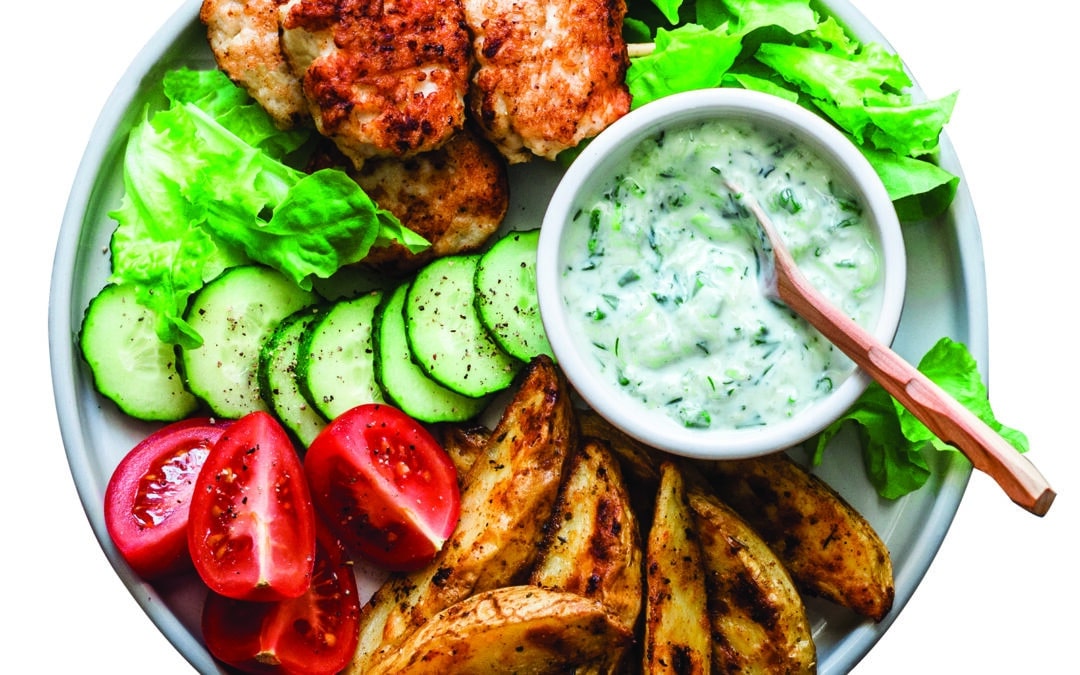
The Menus of Change solution was to challenge chefs in every setting to place meat, poultry and seafood in a supporting role or as a side and make vegetables and plant proteins the stars – for example, burger blends composed of primarily mushrooms, other vegetables, grains or legumes; surf and turf reimagined as seafood with bountiful vegetables and only a bite or two of meat; use of tapas, mezze and other plant-forward small plate replacements for entrees. The public response was immensely gratifying, spurring further innovation and the mainstreaming of vegan options, such as lentil, barley and black bean burgers or wild rice polenta burgers made with mushrooms, carrots and leeks.
Building on their successful work with proteins, the collaborative is now developing a complementary program centered on advancing carbohydrate quality on the American plate. “From fluffy pancakes to soft hamburger buns, refined, fast-metabolizing carbohydrates are still found in many a diet and are contributing to the rise in diet-linked chronic conditions such as
diabetes and heart disease,” according to a recent Menus of Change summit panel discussion headed by Sarah Schutzberger, RD, CSO (certified in oncology nutrition). “In large part because of our food choices, scientists project that 75 percent of chronic diseases are attributable to diet and lifestyle.”
A substantial emphasis on whole, minimally processed carbohydrates can help change the trajectory, beginning with these flips described by the panel:
- Take on the Three Pleasures challenge: Create a delicious dessert using dark chocolate, nuts, and fresh-cut or dried fruit. “Instead of forcing a choice between a whole slice of cheesecake with a single strawberry as garnish or a plain bowl of berries, enjoy a dessert made from a healthy market basket that includes dark chocolate, fruit, whole grains, nuts and yogurt,” advised Greg Drescher, Culinary Institute of America.
- Look to world food cultures for inspiration:
- Mediterranean region: “This type of cooking features a healthy fat versus a low fat approach to diet, with olive oil as the foundation of flavor,” said Drescher. Try tabouli, made of cracked bulgur wheat, chopped parsley and olive oil, or a salad made with hydrated, whole-grain barley rusks, topped with chopped tomatoes and fresh feta cheese and tossed with olive oil. Also important: improve the health profile of pasta by using a whole-grain type and cooking al dente to make it a source of slower-releasing carbohydrates.
- France: The niçoise salad suggests ways to include potatoes in limited amounts by pairing with green beans and other vegetables, hard-boiled egg, and a light vinaigrette for a slow-metabolizing lunch.
- Asia and India: Try a salad featuring soba noodles made from buckwheat flour; a Buddha bowl with foundational ingredients that include legumes, fresh vegetables and plant proteins, paired with small amounts of salmon or roasted tofu; and whole-grain flatbreads.
by Ivan | Oct 12, 2020 | Nutrition, Patient News
What’s the Beef With Red Meat?
It’s long been the case that provocative headlines, unexpected findings and misinformation travel far faster than conventional wisdom, especially in the internet age. Even respected medical journals like the Annals of Internal Medicine can become caught in a crossfire of disagreement, as occurred last year when a controversial nutritional study by the NutriRECS Consortium concluded that three servings of red and/or processed meat weekly resulted in a very small increased risk of cancer or heart disease.
NutriRECS further suggested that the evidence surrounding potential harm from regular consumption of red meat was weak, and therefore people needn’t abstain from eating it for health reasons.
So misleading was the journal’s press release headline, “New guidelines: No need to reduce red or processed meat consumption for good health”, that the entire study was offered as a cautionary tale at the most recent Menus of Change conference, an influential initiative on plant-forward eating from the Harvard T.H. Chan School of Public Health and the Culinary Institute of America.
A panel headed by Walter Willett, MD, professor and past chairman of the department of nutrition at the Harvard School of Public Health, dissected why a message that flew in the face of decades of research and established guidelines from the American Heart Association and the World Cancer Research Fund, made its way into the mainstream.
According to Dr. Willett, the major flaw was the authors’ decision to disregard numerous studies done over the years regarding red meat and health as “weak evidence” because they weren’t based solely on randomized clinical trials. While these are the gold standard of scientific research, the reality for nutrition studies can be different.
“There are no double-blinded, placebo-controlled trials of red meat and its links to cardiovascular disease or cancer,” explained Dr. Willett. “It’s not really possible to get this kind of study because people won’t stay on specific diets for years to track and compare.”
The result was elimination of influential studies and meta-analyses clearly pointing to increased risk of disease for meat eaters. This included a pivotal 2015 Harvard School of Public Health study of more than 121,000 individuals followed for an average of 26 years that showed every daily serving of processed meat was associated with a 13% higher risk of death from all causes; processed red meat increased the risk to 20%. A 2019 meta-analysis in the Annals itself showed that reducing processed red meat by three servings per week decreased the incidence of diabetes by 22%; lowered mortality from cardiovascular disease by 10% and from cancer by 7%; and decreased overall mortality by 7%.
“These statistics alone could have been the basis for a blockbuster drug,” asserted Dr. Willett.
Additionally, as came to light after the study was published, the authors’ ties to food industry groups were not accurately disclosed. In January, the journal issued a correction detailing those connections, but the panel’s experts were concerned that the damage had been done, and the study’s misleading headlines had negatively affected public acceptance of traditional nutritional guidance.
“The global consensus remains unchanged: largely replacing red meat with plant protein sources and (optionally) modest amounts of fish, poultry and dairy foods will reduce the risk of coronary heart disease, diabetes and premature death,” said Dr. Willett.
Beyond the Burger: What’s Next in Plant-Based Alternatives
Also featured at Menus of Change was a look at the growing American appetite for alternative proteins. The trend, kick-started by the popularity of plant-based burgers, intensified during the pandemic as consumers sought what they perceived as healthier foods produced in safer, sterile environments. Note: plant-based items are not always nutritionally sound, so please check the labels carefully when these products become available.
Coming soon:
- Plant-based ground meat, sausages, deli slices, chicken tenders, even cookie dough
- Plant based seafood, including tuna, crab cakes, fish burgers, eel and shrimp
- Egg substitutes and oat-based dairy products
- Lamb substitutes using organic compounds to replicate the earthy taste
- Cell-based seafood and cultured meats grown from the cells of fish and animals
“Plant proteins are becoming the growth story of the decade, on the cusp of replacing fish and seafood as the fourth-most-popular protein in America.”
— Zak Weston, The Good Food Institute
The post How Red Meat Went from Taboo to Acceptable and Back Again appeared first on Specialdocs Consultants.
by Specialdocs Consultants, LLC | Jul 7, 2020 | Nutrition, Patient News
Food for Thought: Nourishing the Immune System
As football coaches and nutritionists know, the best offense is a good defense. In the fight against COVID-19, the promise of boosting the immune system with specific ‘superfoods’ is an enticing one. However, registered dietitian Linda Gigliotti, who is a fellow of the Academy of Nutrition and Dietetics and has been in practice for more than three decades, cautions that the concept is somewhat misleading. Here is what you should consider regarding superfoods and your immune system.
Balance Leads to Immune System Harmony
She explains, “We may wish there were specific foods that could make us less susceptible to illness by building up our immune system, but it doesn’t work that way. The immune system is not a single entity, and requires harmony and balance between its different components to function well.”
According to experts, although the body continually generates immune cells, with extra ones dying off in a process called apoptosis, scientists don’t yet know how many cells are needed for optimal functioning of the immune system or what the best mix of cells may be. A better approach, according to Gigliotti, is using a mix of foods that are the building blocks of a nutritionally balanced diet (e.g., the Mediterranean diet) to support or protect the immune system, not boost it.
Foods to Support & Protect the Immune System
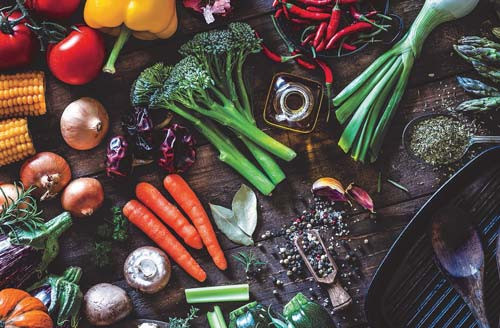
“There’s no one ‘superfood’ or category that should be singled out to the exclusion of others,” says Gigliotti. “The typical American diet can certainly benefit from more of an emphasis on fruits and vegetables, but eat the whole rainbow of colors – red peppers, yellow corn, orange carrots, green broccoli, brown mushrooms. Chickpeas, often touted as a superfood, are excellent, but so are other legumes, such as kidney and pinto beans. Be sure to include a variety of probiotic-rich and fiber-packed foods to promote healthy gut bacteria, which also enhances your ability to maintain health and resist disease.”
Immune System of Older Adults
For older adults the picture may be a little hazier, due to “micronutrient malnutrition,” a deficiency in essential vitamins and trace minerals obtained from the diet, which is frequently seen in seniors even in affluent countries. According to Harvard Health, some lab studies have linked deficiencies in zinc; selenium; iron; folic acid; and vitamins A, B, C and D to an altered immune response in animals.
Can Vitamin Megadoses boost your Immune System?
However, it’s important to know that megadoses of vitamins and minerals are not recommended as a preventive measure for anyone. For example, studies over the years show that vitamin C supplements do not appear to lessen the possibility of getting a cold, although they may help recover from one faster and lessen the symptoms. Taking extra-large doses is not advised, because vitamin C is water soluble and excess amounts aren’t stored in the body, but excreted. The optimal way to naturally absorb vitamin C and other vitamins is by eating a variety of fruits and vegetables. If you are concerned that you may not be getting sufficient micronutrients in your diet, you may want to consider a multi-vitamin.
Flu Season and your Immune System
How can you best support your immune system as the new flu season waits in the wings? Focus on healthy lifestyle habits, advises Gigliotti, including a balanced diet rich in fruits, vegetables, high-protein foods and whole grains; adequate sleep; regular exercise; no smoking or vaping; and managing anxiety.
And … keep washing your hands!
The post Superfoods and Your Immune System appeared first on Specialdocs Consultants.
by Ivan | May 1, 2020 | Nutrition, Patient News
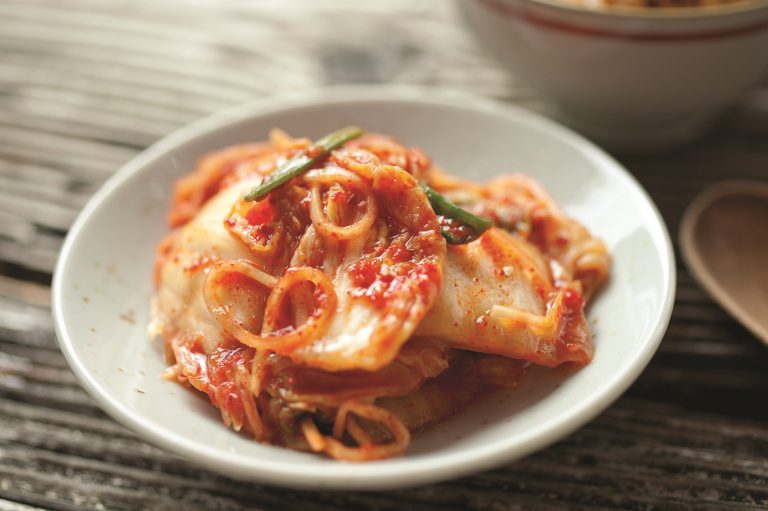
Nutrition Health Spotlight: Kombucha, Kimchi and More
Researchers continue to examine the trillions of bacterial species residing in our gut microbiome to better understand their potential to help maintain health and prevent disease. Some of the most studied are probiotics, microorganisms found in yogurt and other fermented items. Probiotic foods are much in demand as a tasty, trendy way to improve “good” bacteria and enhance digestive health…but can they? We’ll find out in this Nutrition Health Spotlight.
The landscape is a confusing one, spawning a multimillion-dollar industry of probiotic-rich foods and supplements and a growing fascination with fermentation. But keep these facts in mind: No health claims for probiotics have yet been approved by the Food and Drug Administration, and, overall, data is still emerging regarding the potential health benefits of fermented foods. We checked in with Robert Hutkins, Ph.D., professor of food science at the University of Nebraska, who literally wrote the book on the topic with the second edition of Microbiology and Technology of Fermented Foods.
Q: What sparked the newfound popularity of centuries-old fermented foods?
A: When I wrote the first edition of the textbook in the early 2000s, fermentation was considered an old science with not much new to be learned. But a perfect storm occurred in the last 10 years, with rising interest in nutrition and health; artisanal, organic and ethnic foods; and bold, unique flavors. All are found in fermented foods. In addition, advances in genome sciences provided researchers with tools to study relevant microbes and microbial communities in nearly every category.
Q: How are fermented foods made?
A: The traditional way is to rely on the microbes already present in that food, as in sauerkraut or kimchi. The other way is to use a starter culture, a concentrated collection of microbes designed to provide consistent flavor and quality, which is how yogurt, cheeses and yeast breads are made. Ultimately, the microbes feed on the starch and sugars in the food to produce lactic acid or ethanol, which have natural antimicrobial activities to protect from spoilage microbes. Nearly every civilization has at least one fermented food as part of its heritage, such as Japanese natto, Hawaiian poi and the Indian yogurt drink lassi.
Q: Why are fermented foods considered healthier?
A: Many fermented foods are rich in live microorganisms, and yogurt, kefir and other products often contain added probiotic microbes known to support a healthy microbiome. But despite a great deal of information that appears to point toward including fermented foods as part of a good diet, we need more clinical human studies to show specifically how they can improve health.
Q: Do all fermented foods contain probiotics?
A: Although overlap exists, fermented foods don’t always contain probiotics. Only specific live microbes that have been identified as having potential health benefits can be considered probiotics, and there are dozens in foods yet to be studied. Another important distinction is that while fermented foods are always made with microorganisms, when processed by baking, smoking or pasteurization, those live microbes are killed. For example, live cultures are present in sourdough bread, but they don’t survive the baking process; likewise for products that are processed, like canned sauerkraut. Also note there are foods that may seem fermented but are not, such as California olives and most pickles, which are simply put into a brine.
Q: I’d like to try adding some fermented foods to my diet. What would you recommend?
A: You’re likely already familiar with yogurt or plant milks that contain live strains of bacteria. Other fermented foods include kefir (a tangy dairy drink), kimchi (a spicy Korean dish of cabbage, radish and scallions), miso (a Japanese fermented soybean paste used in soups and sauces), kombucha (a sweet tea beverage fermented with a symbiotic colony of bacteria and yeast), and cheddar and most other hard cheeses. Many contain healthy omega-3 fatty acids and B vitamins as well as live microbes.
Note: If you are immune compromised, check with our office first about eating unpasteurized fermented foods, like raw milk cheese or dry fermented sausage.
The post Kombucha, Kimchi and More: Nutrition Spotlight appeared first on Specialdocs Consultants.
The post Kombucha, Kimchi and More appeared first on Specialdocs Consultants.
by Ivan | Mar 1, 2020 | Nutrition, Patient News

Examining Plant Based Burgers as Meat Alternatives
They’re 2019’s most sizzling success story, found everywhere from grocery freezer to fast food counter. Impossible Foods and Beyond Meat have brought plant based burgers from fringe to mainstream with remarkable rapidity. So quickly, in fact, that despite their ubiquity, questions abound regarding the burgers’ benefits. What exactly are they made of? Are they flavorful? How do they compare nutritionally with a turkey patty or an all-beef quarter pounder? Are they meant for a healthy planet and a healthy body?
Both feature a lengthy list of ingredients that may seem far from natural, but both plant based burgers were formulated to recreate the meaty, juicy mouthfeel of a hamburger. That being said, hundreds of meat alternative taste tests and rave reviews have demonstrated that expectations have indeed, been exceeded.
Ironically, many vegans haven’t embraced these plant-based burgers precisely because their taste, smell and texture evokes a beefy authenticity they’ve long eschewed.
What Goes Into Plant Based Burgers?
Impossible Burger is made primarily of soy protein concentrate, coconut and sunflower oil, binders, vitamins, minerals and the key ingredient – soy leghemoglobin, or “heme” – which makes the burger “bleed” and brown like meat. Beyond Burger, recently reconfigured to promise an even meatier flavor and chew, features an elaborate combination of plant proteins including pea and mung bean; fats for cooking sizzle, such as coconut oil and cocoa butter; minerals like calcium and iron; potato starch to bind; and beet juice extract for a beef-like red color in their plant based burgers.
Just the (nutritional) Facts!
Nutritional info for plant based burgers, paints a somewhat mixed picture. The good news is, the burgers contain approximately 20 grams of protein (equivalent to ground beef); a healthy mix of vitamins and minerals, including B vitamin, zinc and iron; and no cholesterol.
Interestingly, the plant based burgers may not be the best choice for people following a heart-healthy diet, as they are higher in saturated fat than turkey burgers and contain substantially more sodium than lean beef burgers. Moreover, you might consider creating your own vegetarian burger with beans, whole grains, herbs, seeds and nuts as a healthier option.
“These burgers offer good amounts of antioxidants and certain vitamins and minerals, but they aren’t quite the same as a whole-foods veggie burger made from beans,” explains Registered Dietitian Ginger Hultin, spokesperson for the Academy of Nutrition and Dietetics. “In order to mimic meat well, they use a blend of ingredients that includes saturated fat, similar to a beef burger, but from coconut oil.”
So, what’s the verdict?
“They’re interesting, delicious products that can fit into a balanced diet, and have benefits in the form of supporting the environment and saving the lives of animals,” she says.
| 4 oz. portion |
Impossible Burger |
Beyond Burger |
85% lean burger |
90% lean burger |
Turkey burger |
| Total Fat |
14g |
18 g |
15 g |
10 g |
10 g |
| Sat. Fat |
8 g |
6 g |
6 g |
4 g |
3 g |
| Cholesterol |
0 mg |
o mg |
88 mg |
65 mg |
92 mg |
| Sodium |
370 mg |
390 mg |
72 mg |
66 mg |
400 mg |
To sum up, supporting the environment and saving the lives of Animals is, in fact, the real fuel driving these companies, both of which are on a mission to reduce meat consumption and ensure a sustainable global food supply by giving people what they enjoy most – big, juicy (plant based) burgers.
The post Are Plant Based Burgers Really Healthier? appeared first on Specialdocs Consultants.

Recent Comments